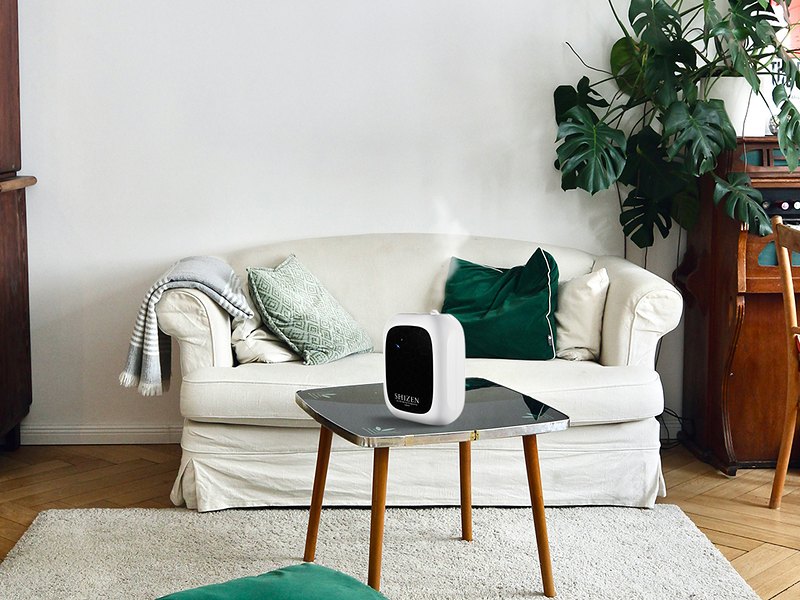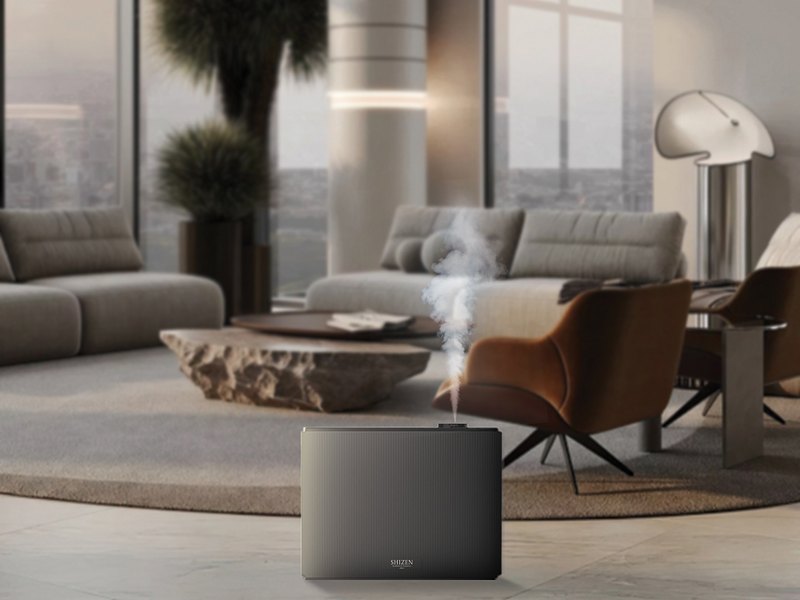

“This is your company’s scent.” That is how Nikkei MJ — the marketing and retail paper of the Nikkei group — opened its report on Japan Global Association, a scent provider in Setagaya, Tokyo.1 The company helps clients build their brand through fragrance: careful interviews to put the client’s intended direction into words, then a made-to-order blend built mostly from natural fragrance materials. Since its founding in 2016, about 1,500 companies have used it — leisure facilities, theme parks, hotels, even a metalworking firm.
From words to scentThe scent starts with an interview, not with a bottle.
What stands out in the report is not only the number but the order of work. It begins with a long conversation about the brand — the report even quotes an opening question along the lines of “if your brand were a colour, which colour would it be?” — until the direction the client wants can be written down clearly. Only then is the scent composed, to order.
In other words, a good scent is the result of a decision about the brand, not of sniffing sample bottles. That is also what makes it last for years: everyone in the company knows why that scent was chosen.
This is your company’s scent — not whatever happened to be in the room.Not only hotels
Theme parks, metalworking, and the impression a leader makes.
A signature scent used to mean a five-star hotel lobby. The client list Nikkei MJ reports is much wider: leisure facilities, theme parks, hotels, and a metalworking company. The uses have widened too — the report names two newer ones: shaping the impression a company president makes, and raising employee motivation.1
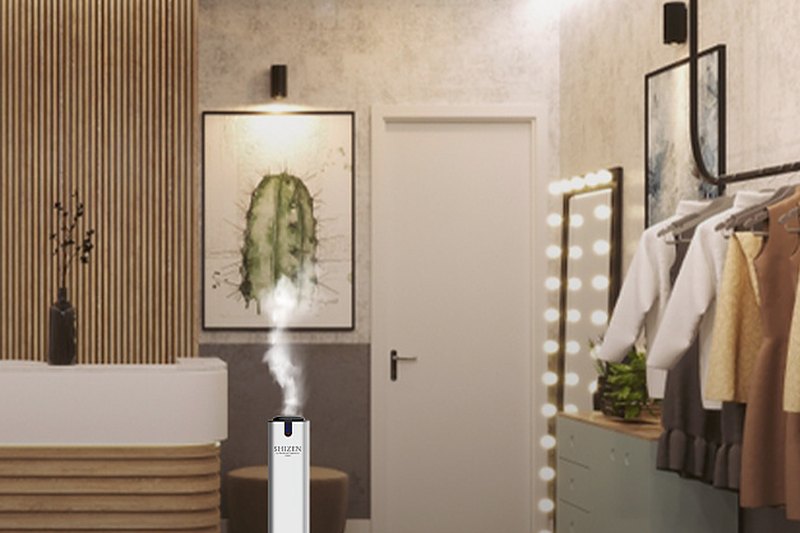
A metalworking firm does not use scent to look like a hotel. It does it because visitors — prospective customers, job applicants, auditors — form their impression in the first seconds in the reception room. And that impression outlasts any brochure.
What they get“Customers come back more often.”
The report’s second headline sums up what adopting companies say they got: a better customer repeat rate.2 We read the open part of the article; the per-client figures sit behind the paywall. But the direction is clear and matches what we see in Indonesia: a consistent scent is the cheapest way to make a place feel like a particular brand — and to make people want to come back to it.