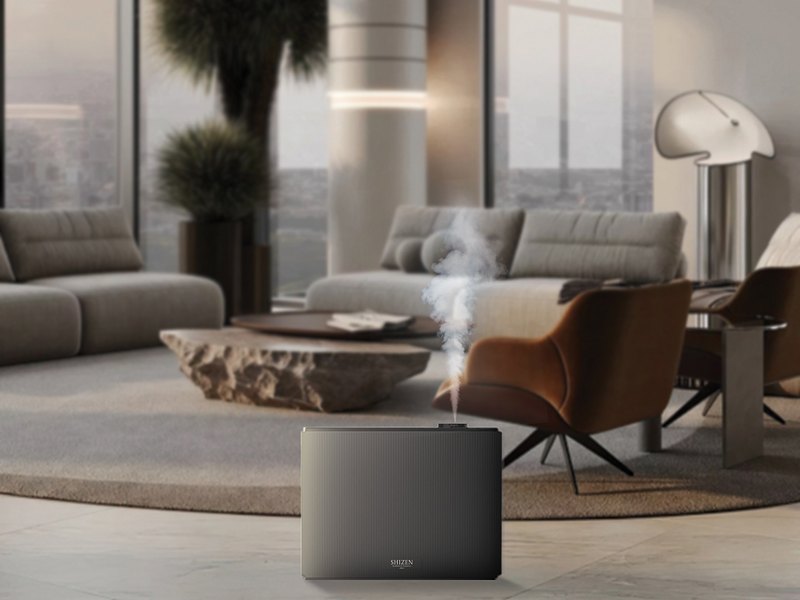

On 24 September The Japan Times reported a new wave among Japanese companies: fragrance used as part of brand strategy and as a way to build a sense of unity among employees.1 Not an ordinary air freshener — a scent chosen deliberately, the way a logo is chosen. The reasoning is simple: smell is intuitive and memorable, so a consistent scent helps shape a company’s image while making the workplace pleasant.
One scent for one groupMUFG chose its scent by vote.
Mitsubishi UFJ Financial Group, Japan’s largest financial group, adopted a signature scent — named “MUFG Fragrance” — as part of its effort to create a comfortable workplace and strengthen its brand strategy. The chosen scent is fresh and forest-like. It came through from three finalists by a vote of employees and customers; nine in ten voters liked it.
From around October the scent fills the reception areas and other spaces of MUFG’s Tokyo head office; branches are being considered. The interesting part is not only the outcome. Ahead of a new headquarters in 2030 that will house the group’s bank, trust bank and securities arms, representatives of each company held long discussions to pick one scent together — the process itself was used to build a sense of one group.
Fragrance treated like a logo: one scent, consistent in every space a customer enters.A scent chosen for the day’s work
NEC designed five aromas with its own AI.
NEC took a more technical route. It trained its generative AI on employee behaviour guidelines and photos of its work areas, then had a perfumer refine the AI’s proposals into five aromas. Employees keep the oils on their desks and pick one to suit the day’s work.
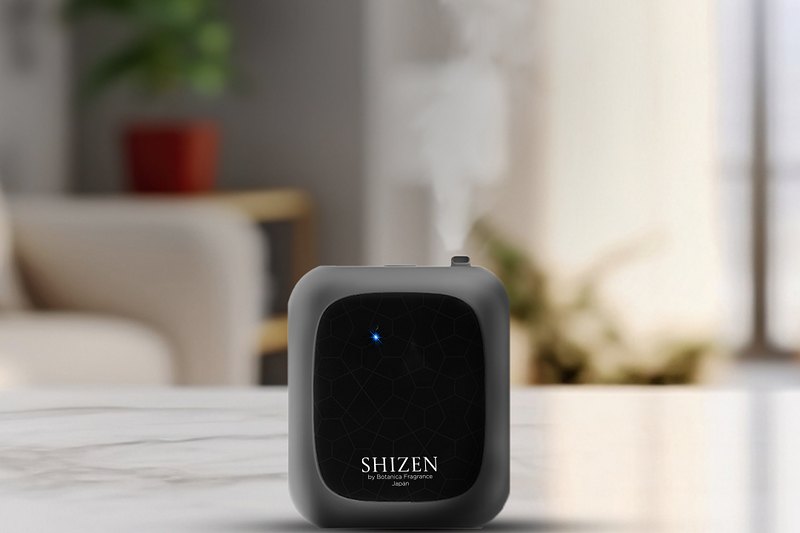
In NEC’s internal survey, about half of the employees who used them said their work efficiency had improved.1 Convincing enough that NEC is considering developing and selling original fragrances to manufacturers and transport companies.
Not just two companiesS.T. made it a growth area.
Household-products maker S.T. lists fragrance-based workplace management as one of its growth areas and is developing original aroma oils for local governments and businesses. In other words: in Japan, scent at work has moved from a nice touch to a budgeted programme.