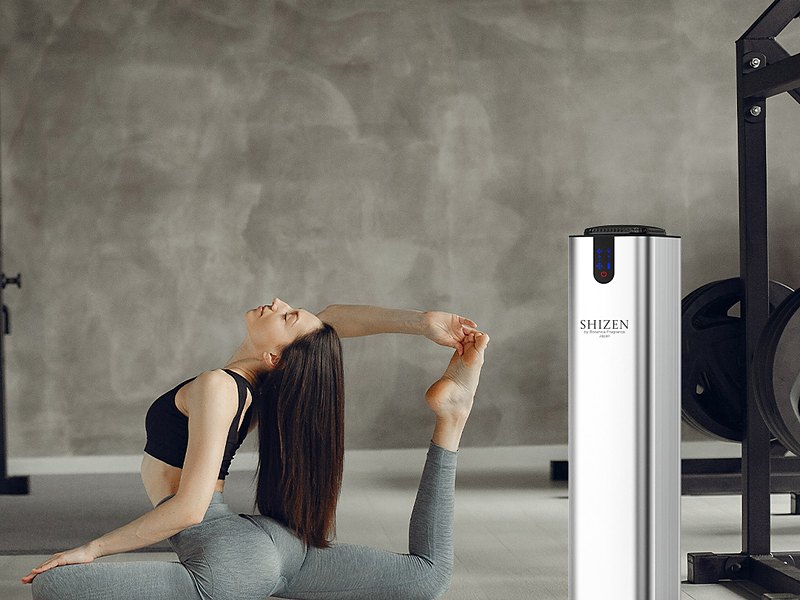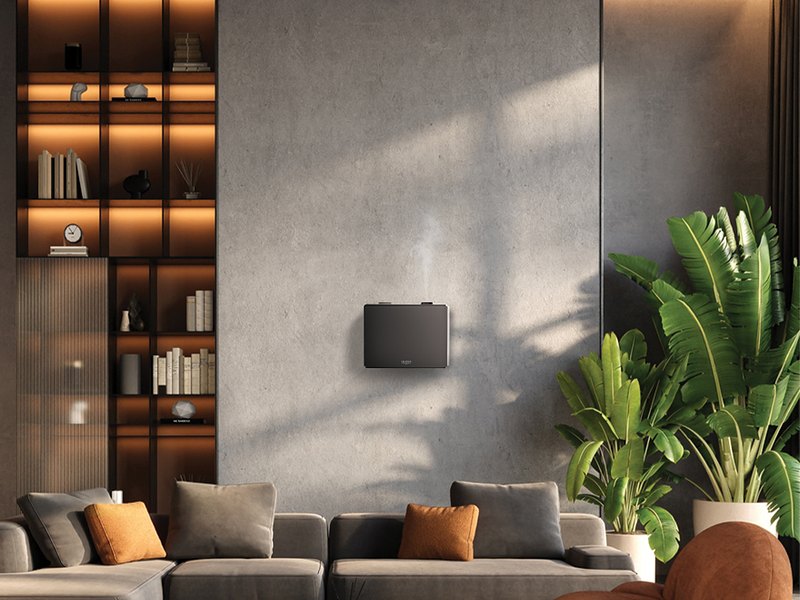

Tanseisha is a leading spatial-design company in Japan, and its office in Shinagawa, Tokyo, served as the laboratory. From 1 to 14 April 2026 its three focus booths and two relaxation booths were used as usual, without scent. From 15 April to 12 May, two focus booths and both relaxation booths were given a scent, citrus to refresh and woody to unwind, selected and designed by KaleidoPath, a scent-design studio in Tokyo. One focus booth was deliberately left unscented as a control.1 What sets this apart from the usual testimonial: use was not asked about but counted by the infrared sensors of Tanseisha’s COCOSTAT spatial-analytics service, on weekdays from 7:00 to 19:00.1
A mixed resultOne booth rose 40%; another fell.
Scented focus booth ③ was used 14 times in the scented period, up from 10: a 40% rise. More telling, long sessions appeared in that booth: 30–60-minute uses went from 0 to 2, and 60–120-minute uses from 0 to 4.1 But scented focus booth ② went the other way, 44 → 39 uses and an average of 21 → 15 minutes, and the unscented control booth fell too, 25 → 22.1 Among the relaxation booths, booth ② lengthened from an average of 21 to 29 minutes with more sessions of 60 minutes and over, while booth ① shortened slightly.1
KaleidoPath writes itself that this is an early verification with a limited sample, to be confirmed in further tests.1 We quote it as it stands, because that is exactly what makes the report worth reading: the numbers that rose and the numbers that fell are shown side by side.
60–120-minute sessions in the scented focus booth: from none to four.What to trust
Not the 40%, but the method.
Four things in the design are worth copying. There was a comparison period before the scent went in. One booth was left unscented. Use was measured by sensors, with a clear definition: continuous detection counts as one session, a gap of more than 10 minutes starts a new one. And the scent was designed at a concentration that “blends naturally into the space”, with the option of not using it.1 Questionnaires were kept for what is genuinely subjective: the strength of the scent and users’ expectation of their own productivity after a break, an average of +53.2 points on a scale from −100 to +100 across the relaxation booths, with every area at +40 or more. The company is clear that this is an expectation, not measured productivity.1
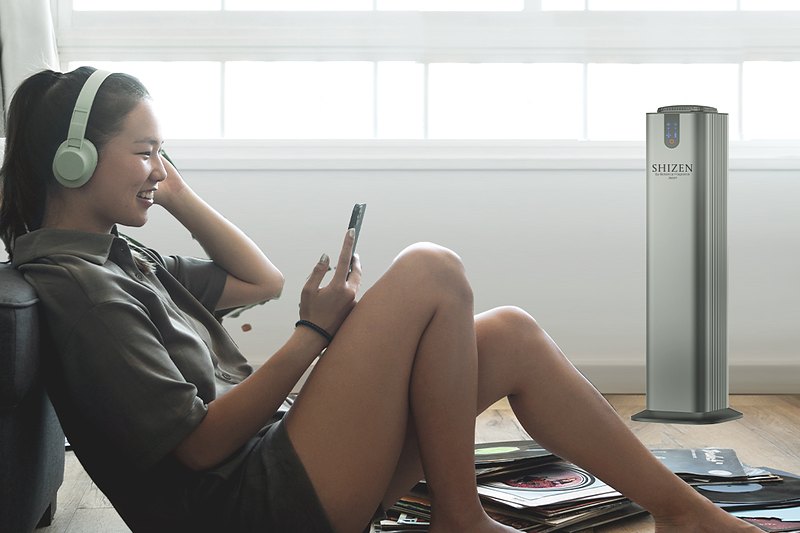
The two scent choices tell a story too. Citrus for the booth meant for freshness and focus, woody for the booth meant for unwinding. That squares with two earlier articles of ours: different scents help different kinds of tiredness, and a scent only works if the person likes it. Keeping an unscented option is the simplest way of respecting the second.
For offices in IndonesiaStart with a small room, then measure.
Offices in Jakarta are building phone booths, focus rooms and quiet corners too. They are the easiest places to try a scent: small volume, clear purpose, and use that can be counted from an existing room-booking system or sensor. Tanseisha needed two weeks without and four weeks with scent to get readable numbers. That is a sensible size of trial for any office.