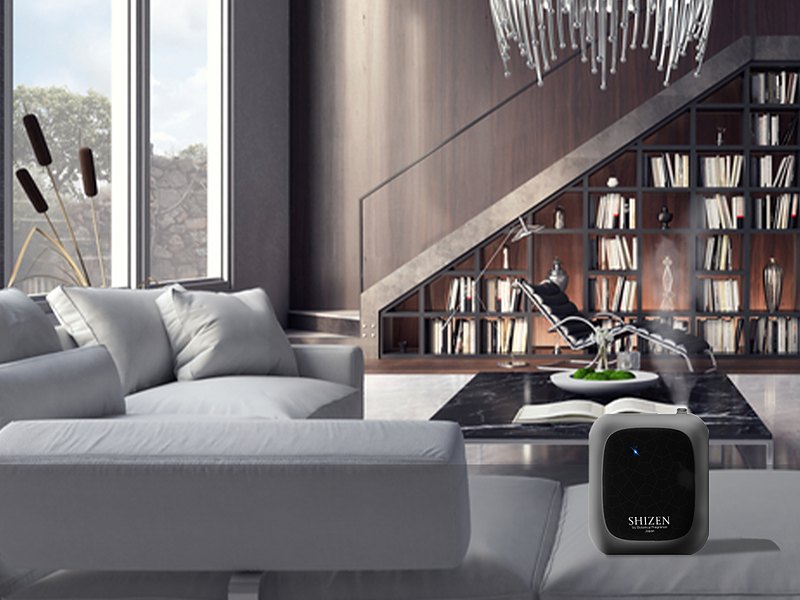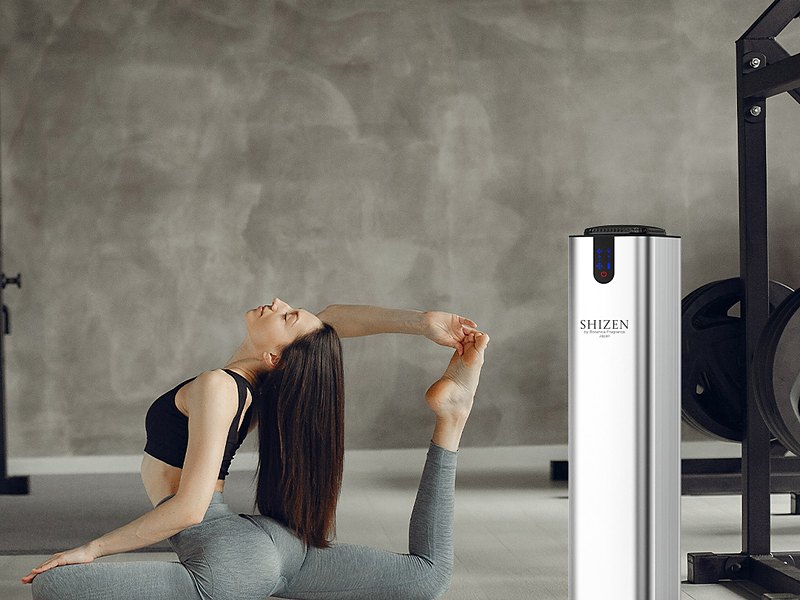

From the outside, every scenting vendor looks the same: a machine, a catalogue of fragrances, a refill schedule. The differences show up a few months in — when the lobby scent fades by mid-afternoon, the technician stops answering, or guests start saying it is too strong. The right choice also depends on the business. A showroom needs a scent that becomes part of the brand; a show unit needs to feel like home within five minutes; a bar needs a scent that still holds at its busiest hour. This guide sets out what we have learned installing scenting systems in more than a hundred locations across Indonesia.
Before you chooseStart with the space, not the machine.
A good vendor asks questions before quoting a price. Five things decide the right system. Floor area and ceiling height, because what you are filling is a volume of air, not a number of square metres: a lobby with a six-metre ceiling needs more than an office with the same footprint. The air conditioning — split units room by room, or central air with ducting. Opening hours and peak hours. The points that shape a first impression, usually the entrance, the reception desk and the lifts. And the smells to balance: coffee, smoke, humidity, or the chemical notes of a treatment room.
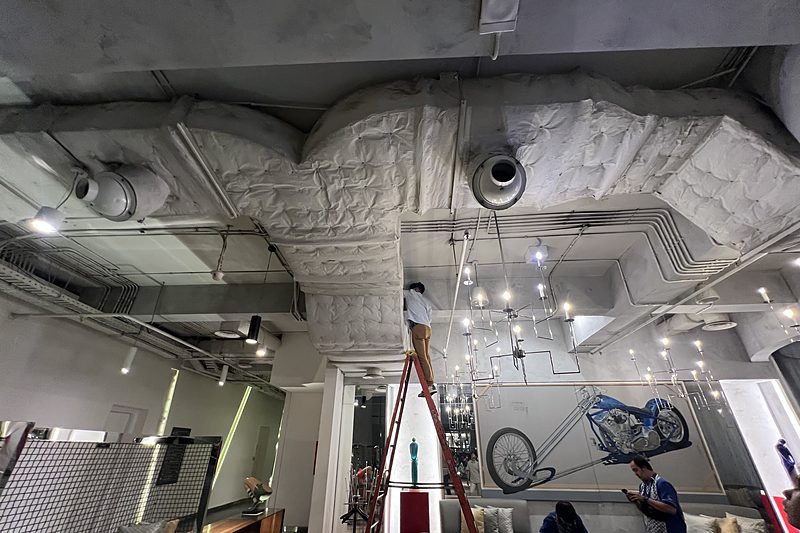
The machine follows from that. Meeting rooms and consulting rooms need a desktop or wall unit. Lobbies and open areas take a floor-standing unit. A whole floor or a whole building is best served by an HVAC unit connected to the air-conditioning ducts: one point, one scent, nothing for guests to see.
A vendor who offers one model for every room is selling stock, not a solution.Seven kinds of business
What changes from one space to the next.
The principles hold everywhere: a scent that fits the place, an intensity that suits the room, a system that is looked after. What changes is the order of priorities.
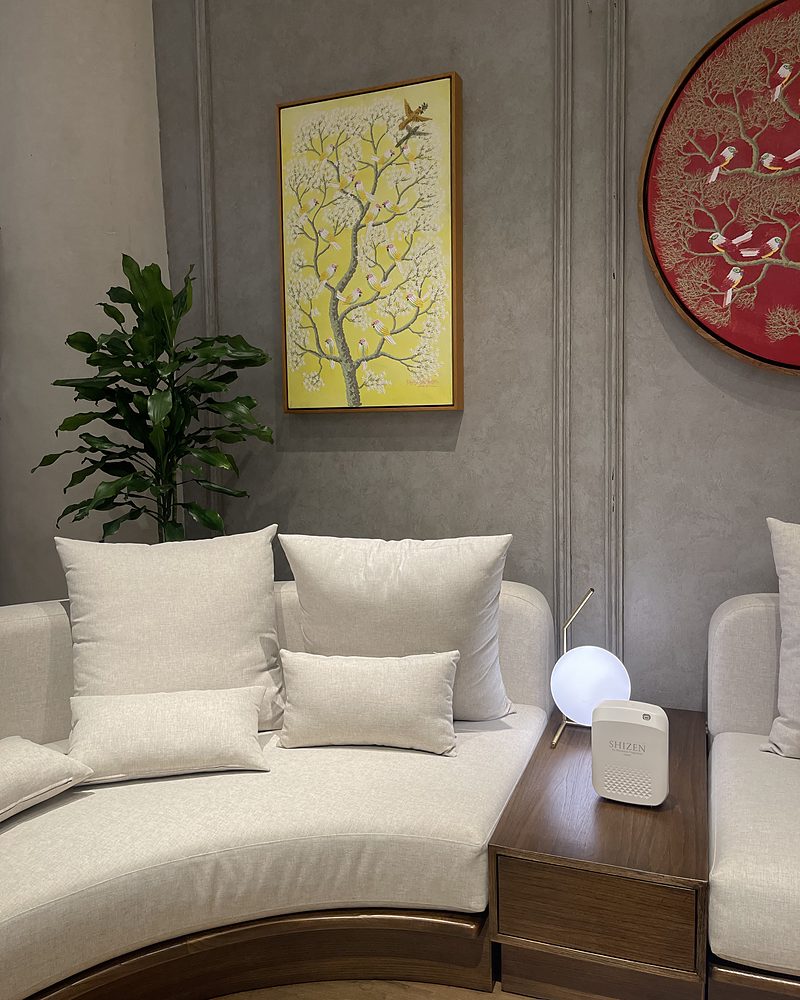
Showrooms: scent as part of the brand
In a car, furniture, property or fashion showroom, scent works like a logo nobody sees. Choose one fragrance that suits what you sell and use it in every branch, so customers know where they are before they read the sign. Fit is not only a matter of taste: in a widely cited experiment, a scent that matched the product category made people spend longer on a decision and weigh it more completely than a scent that did not.1 Showrooms tend to be large and high-ceilinged, so ask whether the vendor sizes the system by air volume and can connect to central air. With upholstered furniture and clothing, make sure nothing settles on the fabric.
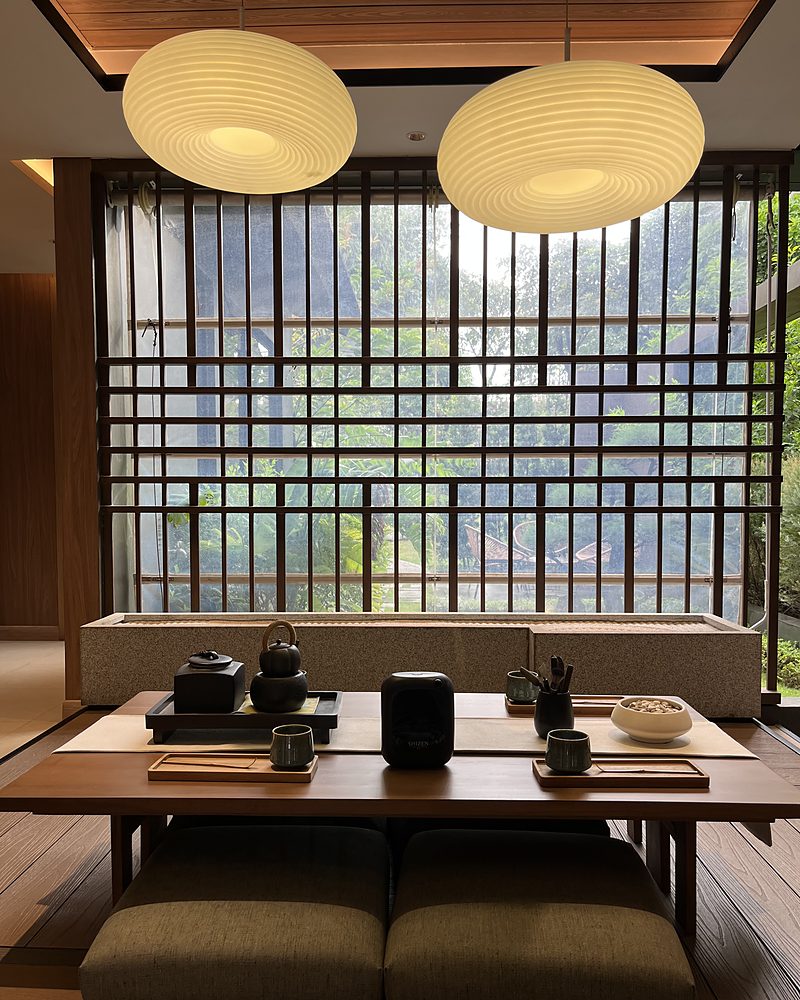
Show units and marketing galleries: home, within five minutes
A buyer decides in the first few minutes whether they can picture living there. The scent should feel like a freshly cleaned home — white tea, linen, light woods — not a hotel lobby. Keep it low and even from opening to closing, including the sample bedrooms and bathrooms people usually see last. Show units often open only for a marketing period, so ask how the vendor’s contract fits that period, and whether there is day rental for the launch event.
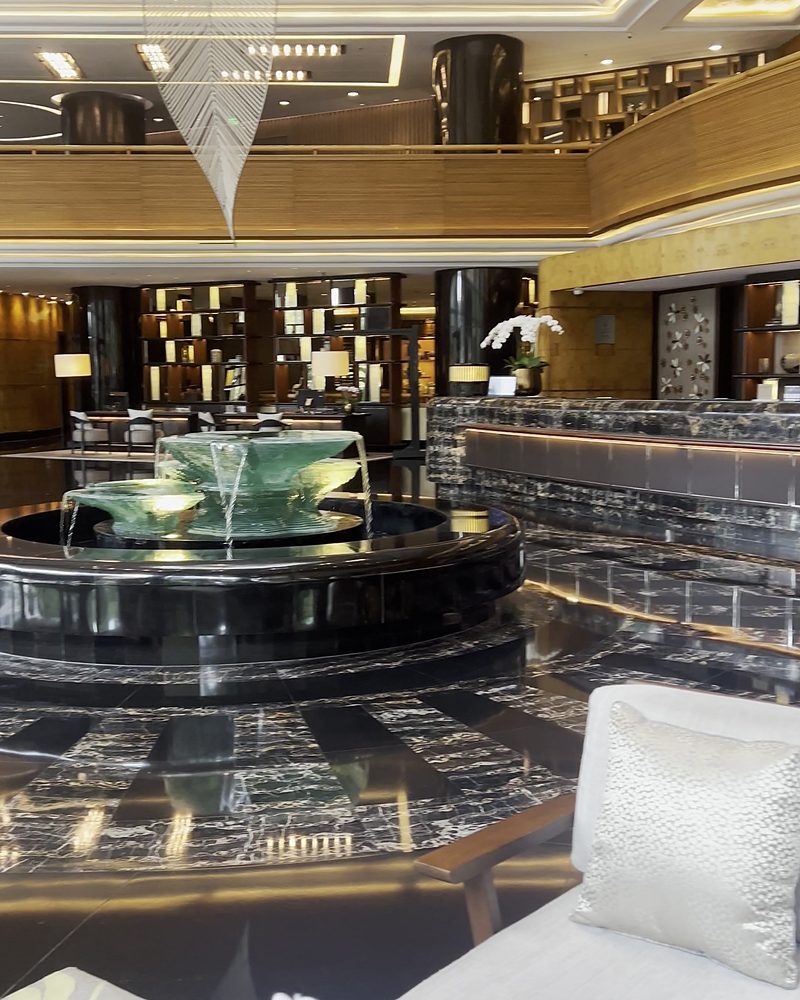
Hotels: one scent, every day, on every floor
Hotels use one signature scent in the lobby, lifts and corridors, every day, until it belongs to the hotel and returning guests recognise it at the door. What matters, then, is consistency: a 24-hour schedule, the same intensity on every floor, and a system that travels through the air-conditioning ducts with nothing in sight. Ballrooms and restaurants run their own schedules — full during events, almost off when empty. Around spas and pools, make sure the system adds no humidity. Before you sign, ask who comes to refill, how often, and how quickly a replacement unit arrives if one fails.
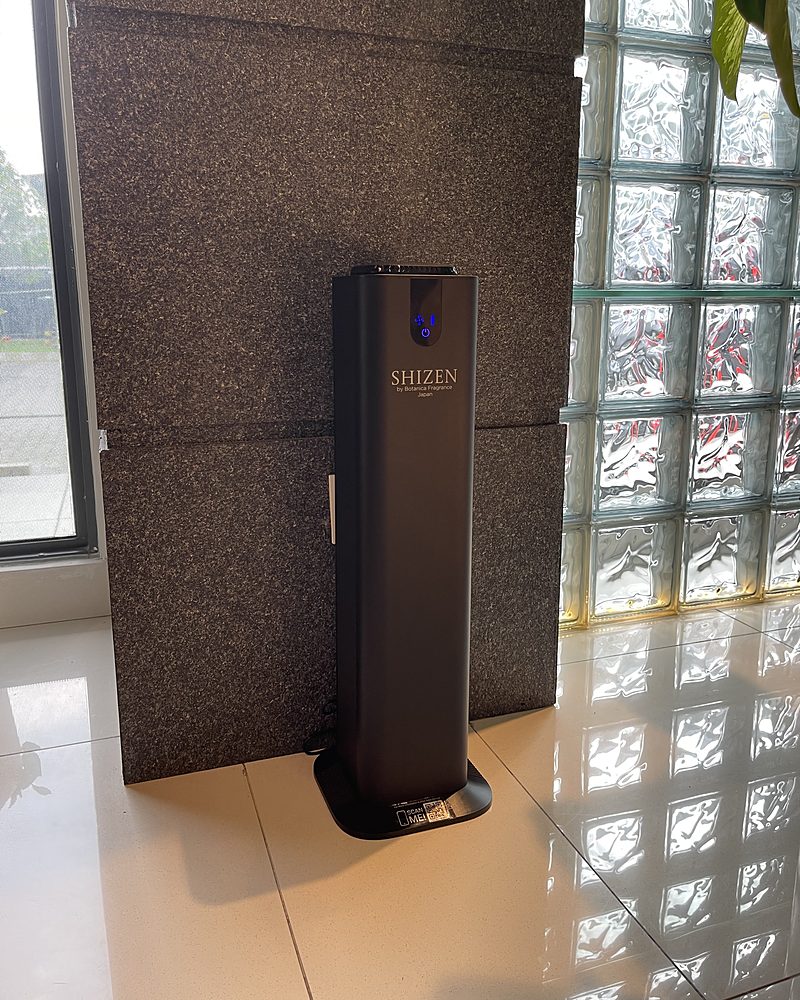
Offices: present for guests, light for staff
In an office, scent should work quietly. The lobby and waiting area can carry it fully for visitors; a floor where people sit for eight hours needs a far lighter setting, timed to working hours and off at night. Meeting rooms turn stuffy quickly and suit a small, quiet unit: ask for the decibel figure, and look for under 35 dB in closed rooms. Facilities and HSE teams will ask for paperwork — registration, certificates and test reports for the oil. A serious vendor sends them without being asked twice.
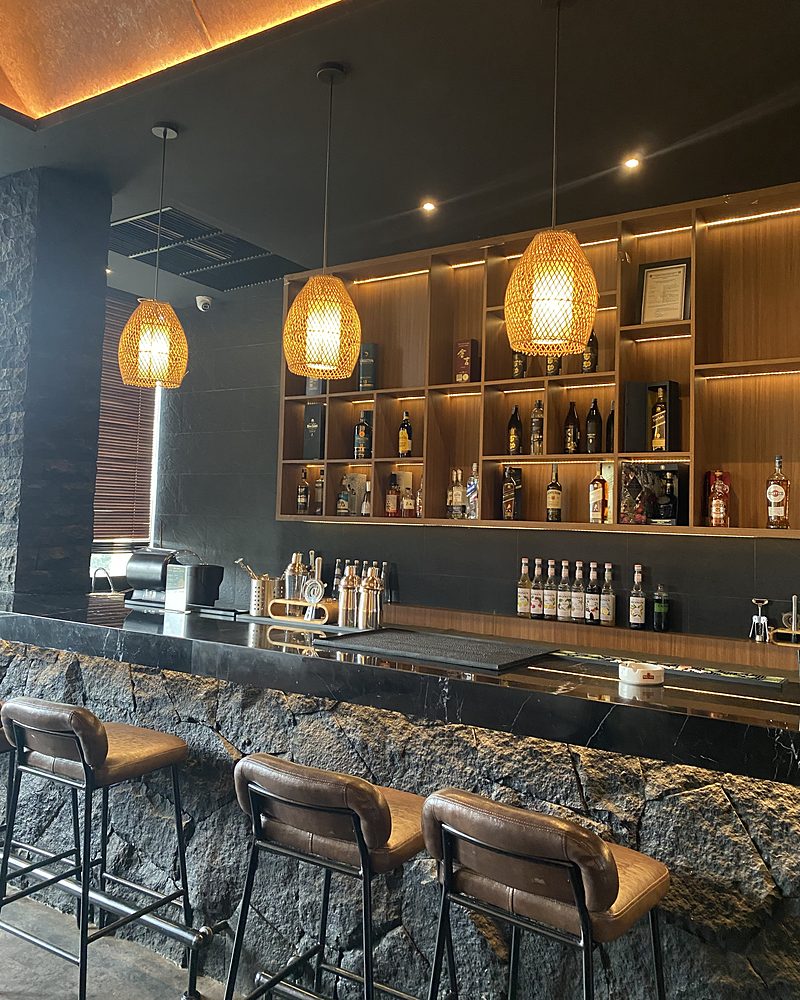
Bars and clubs: firm at the busiest hour
Bars and clubs are the opposite of offices: dark, crowded, carrying drink, food and smoke, with the peak at night. The scent needs to be firmer then and calmer when it is quiet, so the hourly schedule matters more than the machine. Warm characters — wood, amber, spice — usually sit better with a dark interior than sweet florals. One thing should be said plainly: scenting does not replace ventilation. It makes a well-ventilated room feel cleaner and more distinctive; it does not erase smells that are not being extracted.
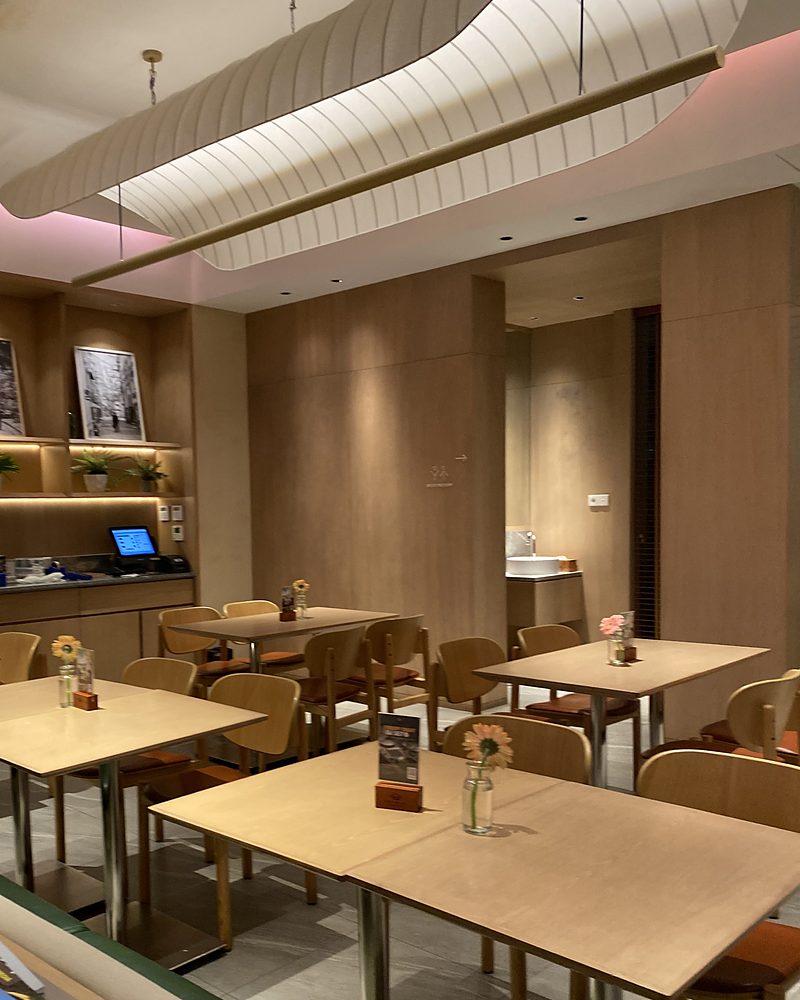
Cafés and restaurants: the menu comes first
In a café or restaurant, the first thing guests should smell is the coffee and the food. Room scent belongs at the entrance, the waiting area and the restrooms, not over the tables, with a light character such as citrus or green tea that does not compete with the menu. Keep it low at mealtimes and slightly higher in quiet hours. If the kitchen is open, ask the vendor to look at the airflow first: scent pushed towards the kitchen only mixes with cooking smoke.
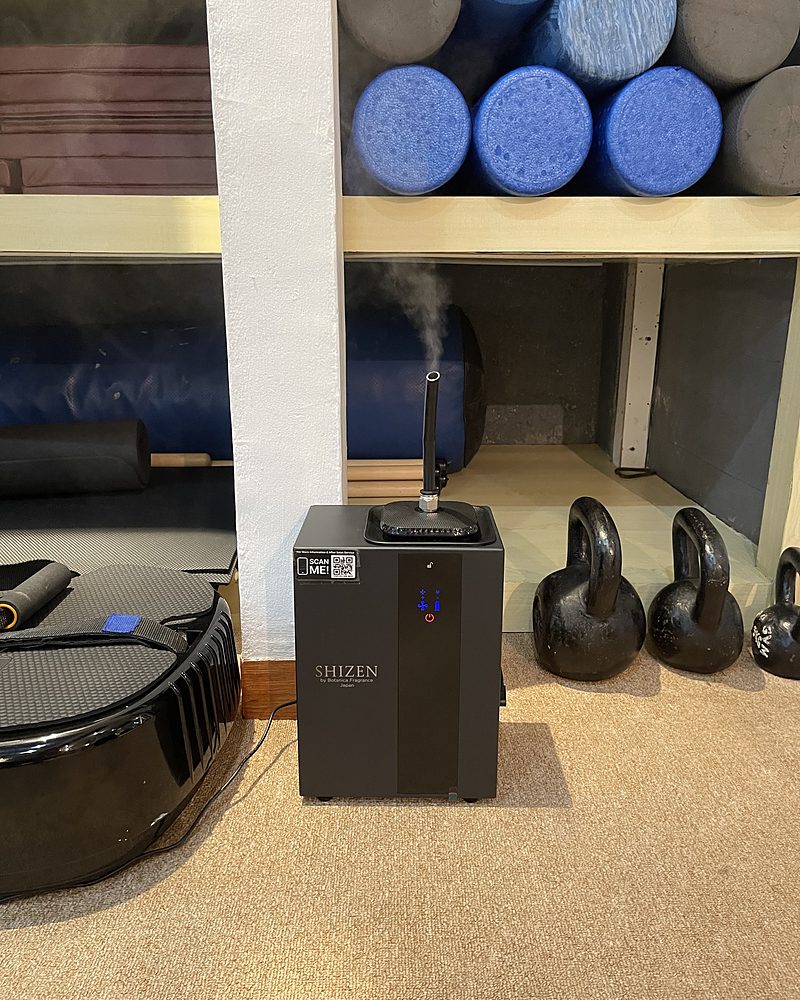
Clinics, spas and studios: clean, calm, documented
Aesthetic and dental clinics, physiotherapy, spas and pilates studios need to feel clean and calm from the door. Choose a soft, unsweetened fragrance — low in treatment rooms, a little more present at reception. Visitors arrive with different sensitivities, so being able to set the intensity room by room matters more than the fragrance itself. This is also where paperwork is asked for most: the Ministry of Health registration and the oil’s IFRA certificate. And be wary of health claims from any vendor — a room fragrance is not a medicine.
Ask any vendor these — including us.
- Registration and certificates. Is the oil registered with Indonesia’s Ministry of Health and IFRA-certified, and can they send copies? Room fragrances are classed as household health supplies (PKRT) and need a distribution licence; the number reads KEMENKES RI PKD or PKL followed by digits and can be checked at infoalkes.kemkes.go.id.3 The IFRA Standards set out which fragrance materials are banned or restricted, based on scientific assessment.4
- What is in the oil. No alcohol, no water, no heating? Residue on marble, fabric and screens usually starts here.
- How they size it. Is the machine chosen from the air volume of your space, or from what is in stock?
- Noise. How many decibels in workspaces, meeting rooms and bedrooms?
- What the monthly fee covers. Machine, refills, servicing, replacement units — and what is billed separately?
- A trial. Can you try it in your own space, not in their showroom?
- References. Who are their clients in your sector, and may you call them?
- Where the fragrance comes from. Their own formulation, or OEM oil from the machine factory, sold to other vendors too?
Shizen’s answers to all eight are on our scenting vendor page. A good vendor does not mind being asked.
Red flagsFive signs to walk away.
- A price before anyone has seen the space or asked about the air conditioning.
- No registration, certificates or test reports for the oil.
- A machine sold without a refill and service plan, or every visit billed separately.
- Promises that the scent will “remove every smell”, or health benefits.
- A long contract with no trial and no clarity on replacement units.
Room scent is not decoration.
Research on the atmosphere of spaces goes back more than thirty years. A meta-analysis of 66 studies with more than 15,000 participants found that spaces with scent or music are rated more pleasant and more satisfying, and that visitors report stronger intentions to come back or buy — with effects that tend to be larger in services such as hotels, restaurants and clinics than in retail.2 But those effects come from getting it right: a scent that fits the place, an intensity that suits the room, and a system that is maintained every month. All three are in the hands of the vendor you choose.